

Wisdom teeth need removal only when they cause, or are likely to cause, problems such as impaction, repeated infection, decay, or damage to the tooth in front. Healthy, fully erupted wisdom teeth that you can clean properly can stay. After extraction, swelling usually peaks around day 2 to 3, and most people feel back to normal within about a week. A dental examination and X-ray confirm whether a tooth should come out.
Key takeaways
- Not every wisdom tooth needs to come out. Problem teeth do.
- Common reasons: impaction, repeated gum infection, decay, cysts, damage to the next tooth.
- Swelling usually peaks around days 2 to 3, then settles.
- Dry socket is uncommon and most likely 2 to 4 days after removal.
- Fever, spreading swelling, or trouble swallowing or breathing need urgent attention.
What are wisdom teeth?
Wisdom teeth are the third and last molars at the back of the mouth. They usually appear between ages 17 and 25. Some people have all four, some have fewer, and some never develop them. Because jaws often lack space, wisdom teeth can emerge partly, sideways, or stay trapped under the gum.
Do wisdom teeth always need to be removed?
No. Healthy, fully erupted wisdom teeth that you can reach and clean properly can often stay. Removal is advised when a tooth is causing or likely to cause problems, based on an examination and X-ray.
When should wisdom teeth be removed?
Removal is commonly recommended for:
- Impacted teeth that are stuck or growing sideways
- Pericoronitis, repeated infection of the gum flap over a partly erupted tooth
- Decay in the wisdom tooth or the tooth in front of it
- Damage to the neighbouring molar or its roots
- Cysts or other pathology around the tooth
- Gum disease that cannot be controlled around the tooth
- Planned orthodontic or surgical treatment that the tooth interferes with
What are the signs of a problem wisdom tooth?
- Pain or tenderness at the back of the jaw
- Swollen, red or bleeding gums behind the last molar
- A bad taste or bad breath that does not clear
- Difficulty opening the mouth fully
- Food getting trapped at the back
- Swelling around the jaw or cheek
These symptoms can have other causes, so an examination is needed.
What is an impacted wisdom tooth?
A wisdom tooth is impacted when it cannot fully emerge, because of lack of space or because it is angled against the next tooth or the bone. It may stay partly or fully covered by gum or bone. Impacted teeth can trap food and bacteria, so they are a common reason for infection and decay. An X-ray shows how the tooth is positioned.
What happens during wisdom tooth extraction?
The area is numbed with local anaesthetic, and the tooth is loosened and removed. Impacted teeth may need a small gum incision, and the site is cleaned and sometimes stitched. You then receive written aftercare instructions. To see how we handle it, read about our wisdom tooth removal treatment.
How long does wisdom tooth recovery take?
| Time after removal | What to expect |
|---|---|
| Day 0 to 1 | Numbness wears off, mild oozing, soreness |
| Day 2 to 3 | Swelling and stiffness usually peak |
| Day 4 to 7 | Swelling and pain settle, most people resume normal routines |
| Week 2 onwards | The gum continues to heal and comfortable eating returns |
Healing varies with the tooth position and how difficult the removal was.
How should you care for the extraction site?
Do
- Bite gently on the gauze as instructed to control bleeding
- Use a cold compress on the cheek in the first 24 hours
- Start gentle warm salt-water rinses after 24 hours, if your dentist advises
- Take medication exactly as prescribed
Avoid
- Smoking or tobacco, which delays healing and raises dry socket risk
- Drinking through a straw and vigorous spitting or rinsing early on
- Poking the site with fingers, tongue or tools
- Hard, hot, spicy or crunchy foods in the first days
What can you eat after wisdom tooth removal?
Choose soft, cool or lukewarm foods at first, such as curd rice, porridge, mashed vegetables, lukewarm soup, and smoothies eaten with a spoon. Return to normal foods gradually as chewing becomes comfortable.
What is dry socket?
Dry socket happens when the blood clot in the empty socket is lost or fails to form, exposing the bone. It causes throbbing pain, usually 2 to 4 days after removal, sometimes with a bad taste or odour. It is not common, and following aftercare reduces the risk. Contact your dentist if pain worsens after the first few days.
When is it an emergency?
Seek urgent care for:
- Fever
- Swelling that keeps spreading to the face or neck
- Difficulty swallowing or breathing
- Bleeding that does not stop with firm pressure
- Severe pain that worsens instead of settling
What is the next step?
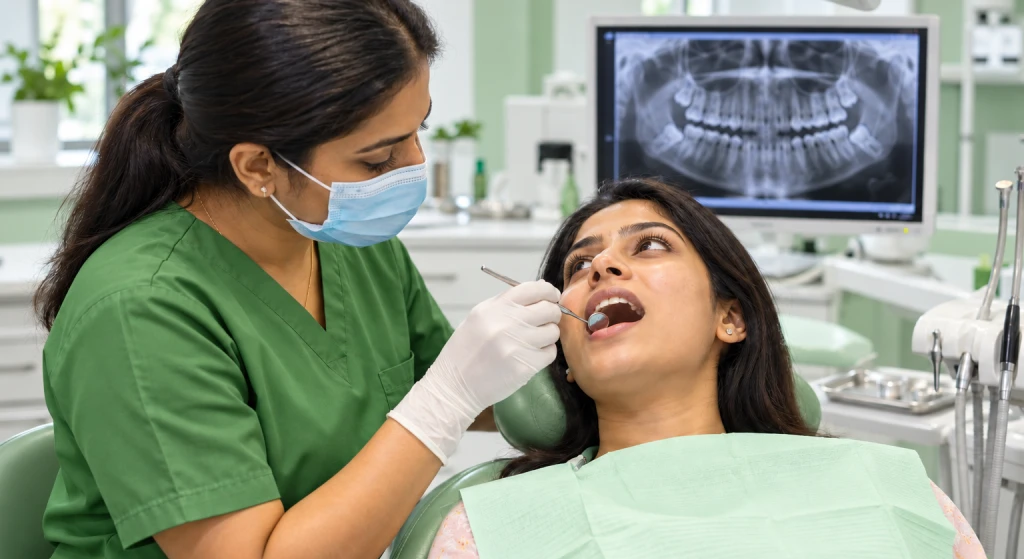
If a wisdom tooth is hurting or you are unsure whether it should come out, an examination and X-ray give a clear answer. You can book a consultation with Thooya Oral Wellness.
Frequently Asked Questions
1. At what age are wisdom teeth removed?
There is no fixed age. Removal is based on need, and many people have it in their late teens to thirties.
2. Is wisdom tooth removal painful?
You should not feel pain during the procedure because the area is numbed. Soreness and swelling afterwards are normal and are managed with the medication your dentist prescribes.
3. How long does swelling last?
Swelling usually peaks around days 2 to 3 and settles within about a week.
4. Can I go to work or college the next day?
Many people rest for a day or two, depending on how difficult the removal was. Your dentist will advise you.
5. Can wisdom teeth be left alone?
Yes, if they are healthy, fully erupted and easy to clean. Regular check-ups and X-rays monitor them.
6. How do I know if my wisdom tooth is infected?
Swollen or bleeding gums, a bad taste, pain, and difficulty opening the mouth can all signal infection. Only an examination can confirm it.
7. Do I need antibiotics after wisdom tooth removal?
Not always. Antibiotics are prescribed only when your dentist judges they are needed. Take them exactly as directed.